
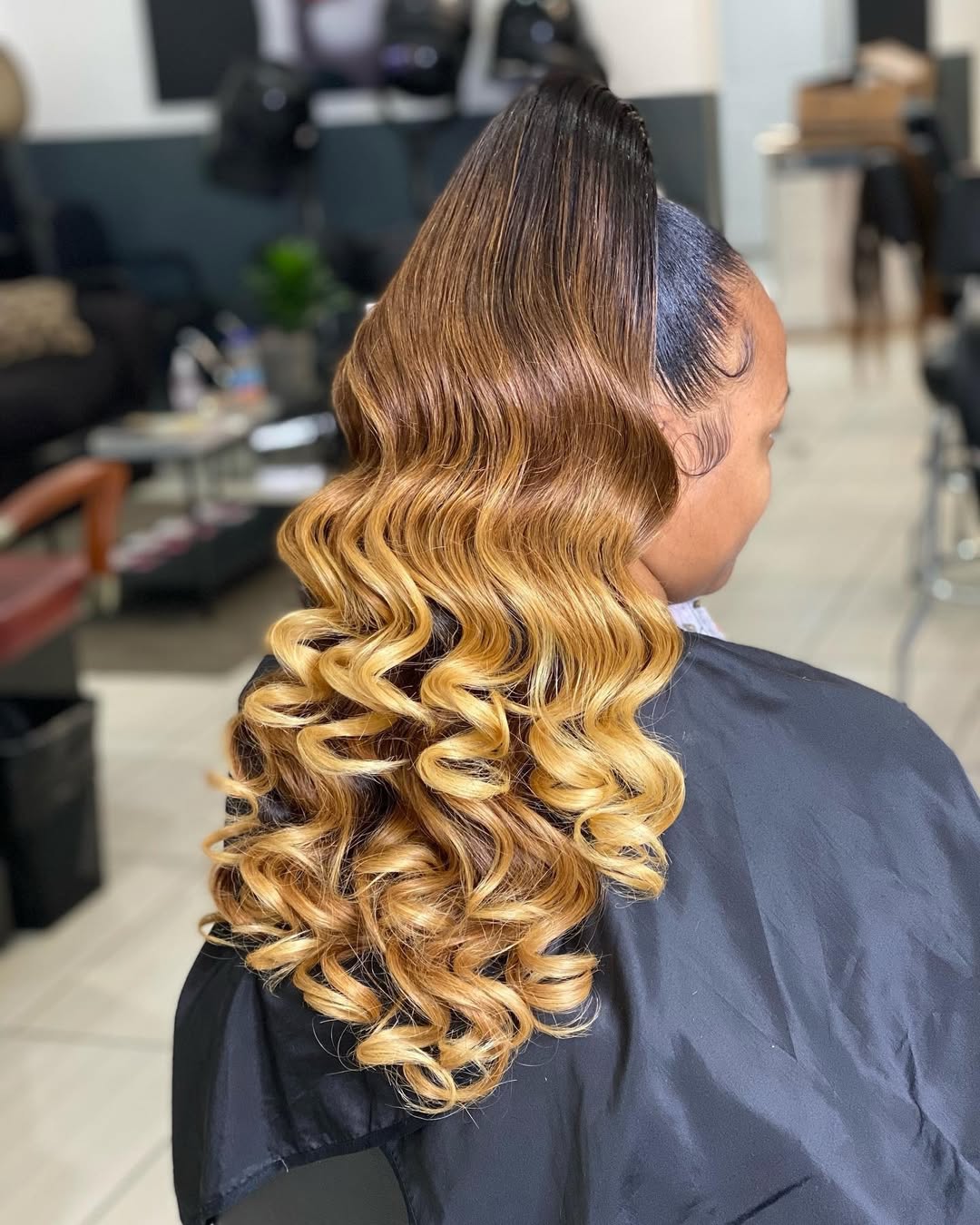
Now, let's not beat around the bush: no one ever liked having to spend half their Saturday being blow-dried by an industrial hair dryer, wrapped up in fifty layers of tin foil, and resembling nothing more than a bad impersonation of a baked potato.
That's because for many years, getting amazing hair color came with its drawbacks. Specifically, the need for high-contrast precision meant that strict schedule became part of life.
Then came balayage.
What started as a trendy French buzzword has officially become the modern gold standard for hair color. It completely flipped the script on how we lighten our hair, trading the rigid structure of foils for something far more artistic, relaxed, and—thankfully—low-maintenance.
If you’ve been thinking about changing up your look but don’t want to sign your life away to monthly salon appointments, here is everything you actually need to know about why balayage hair is here to stay.
The "Sweeping" Art of Balayage
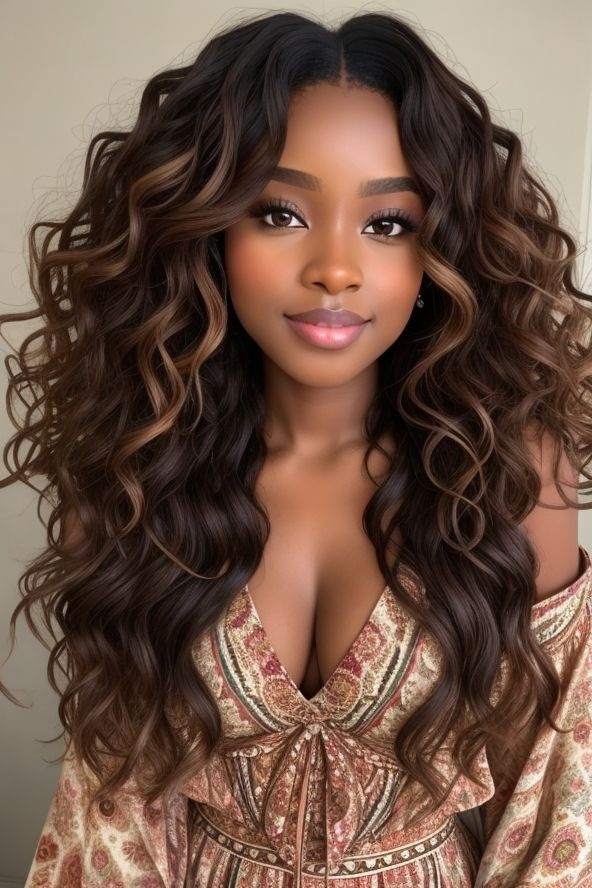
The word balayage came from the French term meaning "to sweep." It’s an literal description of what your stylist is doing.
Instead of separating neat, uniform sections of hair and trapping them inside foils from root to tip, a colorist uses a freehand painting technique. With a steady hand and a customized plan, they literally sweep the lightener across the surface of your hair.
Since the paint is done by hand, it’s soft around the roots of your hair extensions and becomes more vibrant towards the tips. What will you get? A beautiful transition that reminds you of how the sun naturally fades your hair during the summer vacation on the beach. No one would guess that you’ve left the salon – it seems like you’re blessed with amazing genes from birth.Why It Clears Traditional Highlights Every Time
If you’re torn between old-school highlights and balayage, the real decider comes down to how you want to spend your time and money.
- The Root Situation: Traditional highlights go right up to the scalp. When your hair grows even half an inch, it’s obvious. Balayage starts lower down the hair shaft, blending seamlessly into your natural base.
- The Growth Phase: With foils, you have a hard "line of demarcation" when your roots grow in. With balayage, your hair just grows out into an intentional, "lived-in" ombré look.
- The Calendar: Foil highlights demand a touch-up every 6 to 8 weeks. Balayage? You can easily stretch it to 4, 6, or even 8 months depending on how bright you want to stay.
Who is it For? (Spoiler: Pretty Much Everyone)
One of the biggest misconceptions is that balayage only works if you have long, flowing, blonde waves. In reality, because it’s entirely customized, it works on almost every texture and tone.
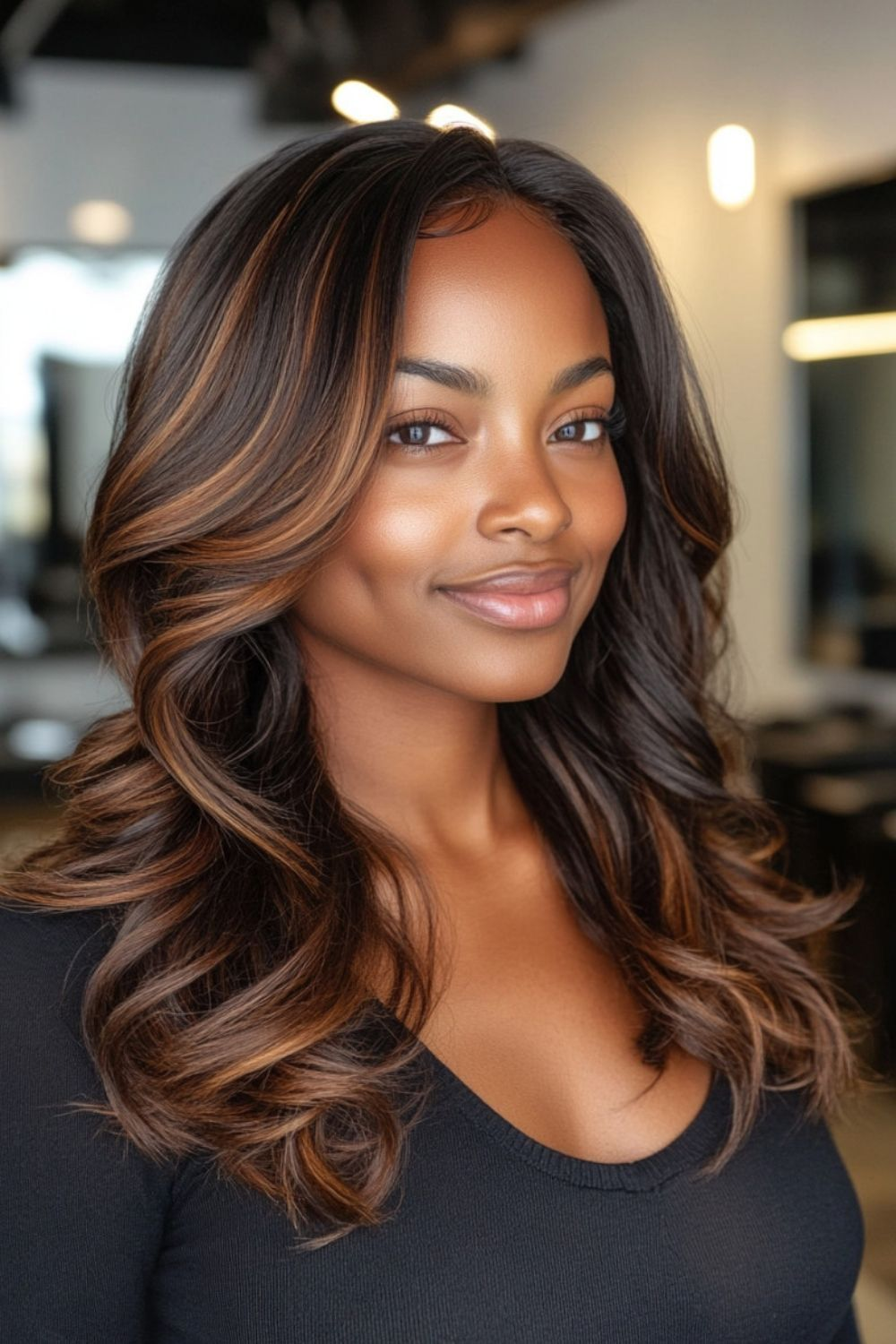
- For the Dark Brunettes: If you’ve ever worried that highlights will make you look "streaky," balayage is your solution. It allows you to add rich ribbons of caramel, mocha, or chestnut without losing the depth of your natural dark hair.
- For the Curly Girls: Traditional foiling can sometimes look boxy on curls. Balayage is done visually, meaning your stylist can pick out individual curls and paint them exactly where the light would naturally hit them, enhancing your natural texture instead of fighting it.
- For Short Crops: Got a bob or a lob? A few hand-painted pieces around the face and through the crown can add instant dimension and movement, keeping shorter cuts from looking flat.
Real Talk: The FAQ
How long am I going to be sitting in that chair?
Plan to get comfortable. Because balayage is a visual, artistic process, it takes time. Between the painting, the processing (which happens in the open air and takes a bit longer than foils), the essential toner, and the blowout, you should budget anywhere from 2 to 4 hours. Bring a book or a fully charge phone.
Can it cover my grays?
Yes, but usually with a teammate. Balayage on its own is meant to blend and blur, not fully coat stubborn grays. If you have grays you want gone, your stylist will likely do a "root smudge" or base color first to cover the silver, and then paint the balayage over the top.
Is it going to fry my hair?
Any time you lift color out of your hair, there’s some damage involved. However, because balayage doesn’t trap heat inside foils, the lifting process is much gentler on the hair cuticle. Plus, since you aren't doing it every two months, your hair gets a massive break from chemical processing.
How often do I actually have to come back?
For a full paint job? Just 2 or 3 times a year. However, to keep it looking fresh, it’s smart to pop into the salon every 8 to 10 weeks for a quick 45-minute "gloss or toner" appointment. This cuts out any brassiness and restores that day-one shine without needing a full color service.
Keeping Your Color Fresh at Home
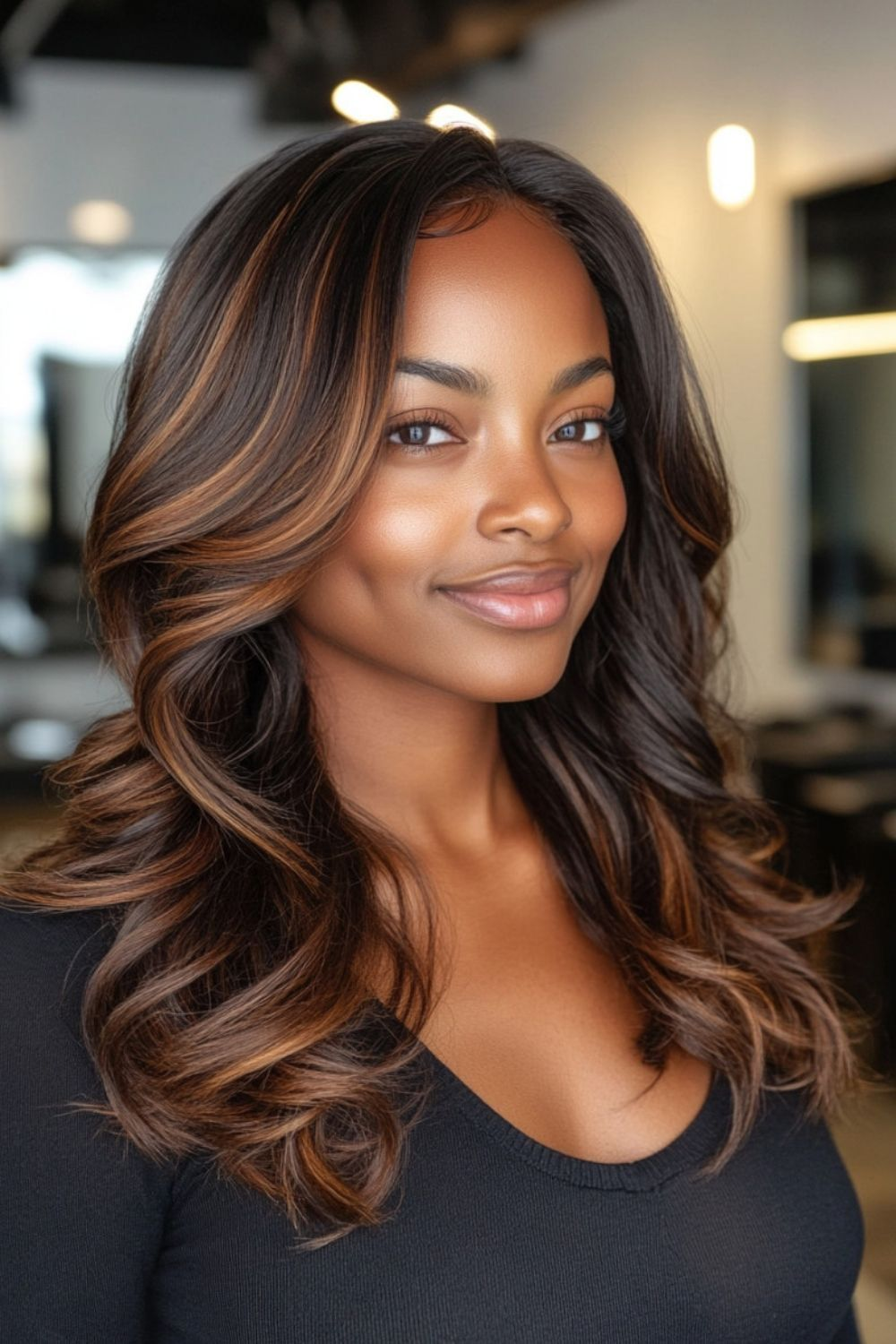
The salon does half the work; the rest happens in your shower. If you want your investment to last, swap out your cheap shampoo for a sulfate-free, color-safe formula.
Water and heat are the biggest enemies of fresh hair color. Try to clean your hair with cool water, use a deep conditioning mask once a week to keep the painted ends from getting brittle, and always spray a heat protectant before reaching for your curling iron.
The Takeaway
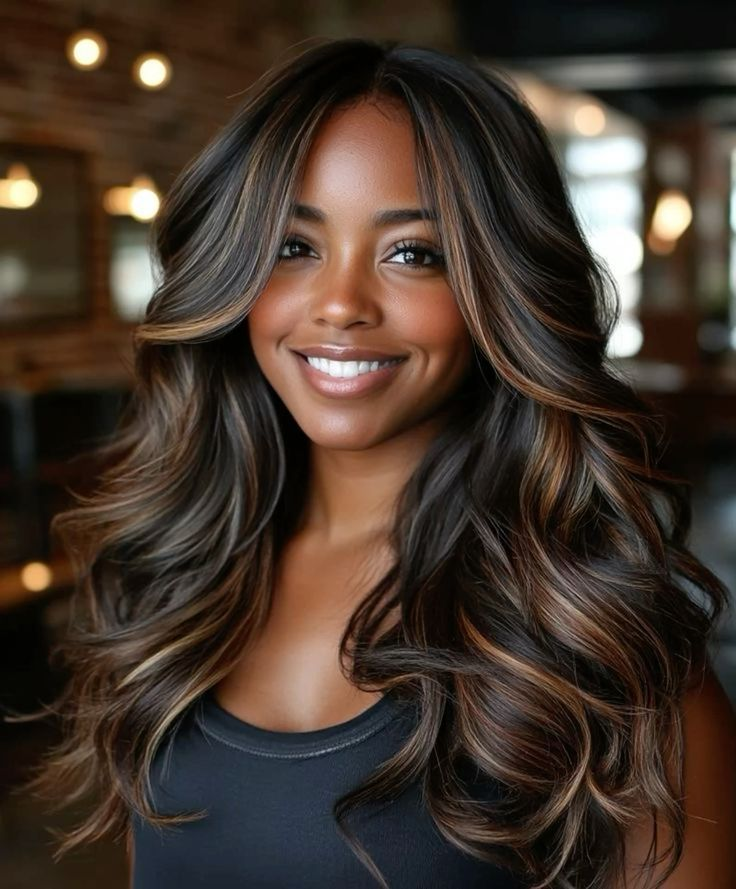
At the end of the day, balayage has stayed popular because it fits into how we actually live. It’s chic, it’s customized to your specific face shape and haircut, and it doesn't penalize you if you miss a salon appointment by a few weeks. It’s the ultimate definition of lazy-girl luxury.