
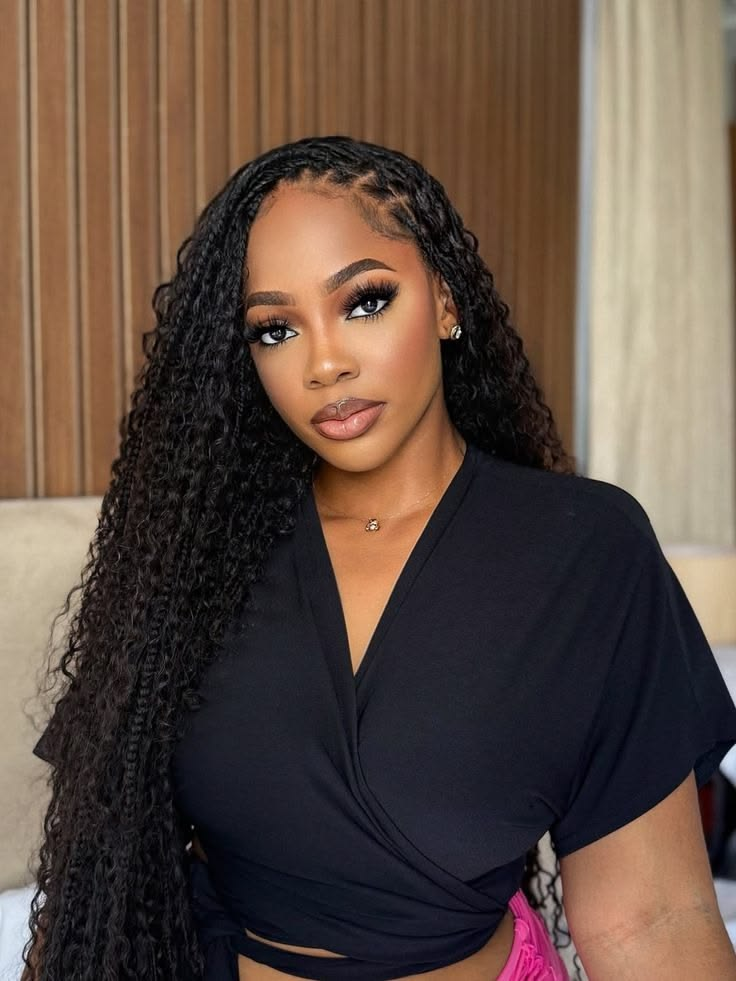
If you’ve ever scrolled through your feed wondering how your favorite creator goes from a chic, collarbone-grazing bob to waist length luxury waves by Monday morning, let's lift the curtain. It’s almost certainly a sew in—or what a lot of us just call a weave.
As we get further into 2026, the hair world has thankfully pivoted away from the bulky, rigid, "obviously fake" hair days of the past. The goal right now is "invisible luxury"—hair that moves like it grew out of your own scalp. While newer methods like tapes and clips come and go, the classic sew in remains the undefeated champ for anyone who wants high security and serious longevity.
But is it actually right for you? Let’s break down the unfiltered reality of getting a sew in.
What’s the Actual Process?
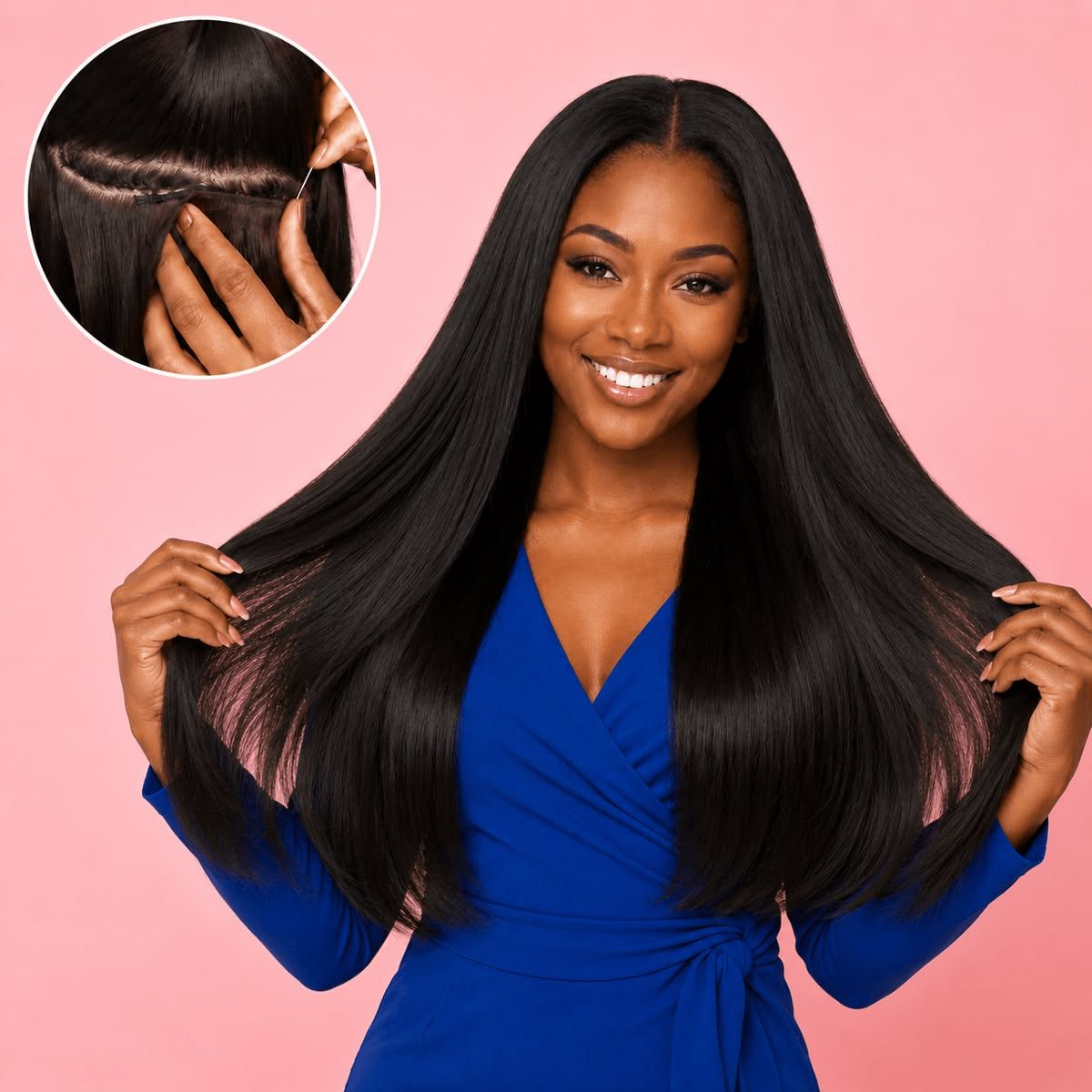
If you've never had one, the concept is simple but requires real skill. Your stylist will braid your natural hair into a specific cornrow pattern against your scalp to create a flat, sturdy foundation. Then, using a curved needle and thick nylon thread, they literally sew the tracks (wefts) of the sew in hair extensions directly onto those braids.
The biggest perk? Zero glue, zero tape, and zero heat touching your natural hair. It’s purely mechanical security, which is a major win for your hair health.
The 2026 Upgrade: Ask your stylist about Seamless or Hand Tied Wefts. Traditional machine wefts can feel a bit bulky at the top, but these newer, ultra thin tracks lie completely flat against your head. You can put your hair up in a high pony on day one without any telltale tracks peeking out.
The Wins: Why People Love It
- You Can Give Your Natural Hair a Break: Because your own hair is tucked away under the tracks, it’s safe from daily heat styling, flat irons, and harsh weather. It's essentially a two month vacation for your hair, and many people see crazy growth after a cycle.
- Zero Anxiety at the Gym: You can workout, swim, or dance without that nagging fear that a piece of tape is melting or a clip in hair extensions is sliding down your neck. It’s locked in.
- The Ultimate Shape Shifter: Want a platinum blonde balayage without frying your own curls? Or want to try a bone straight texture when you’re naturally coily? A sew in gives you total freedom to experiment without damage.
The Reality Check: The Maintenance is Real
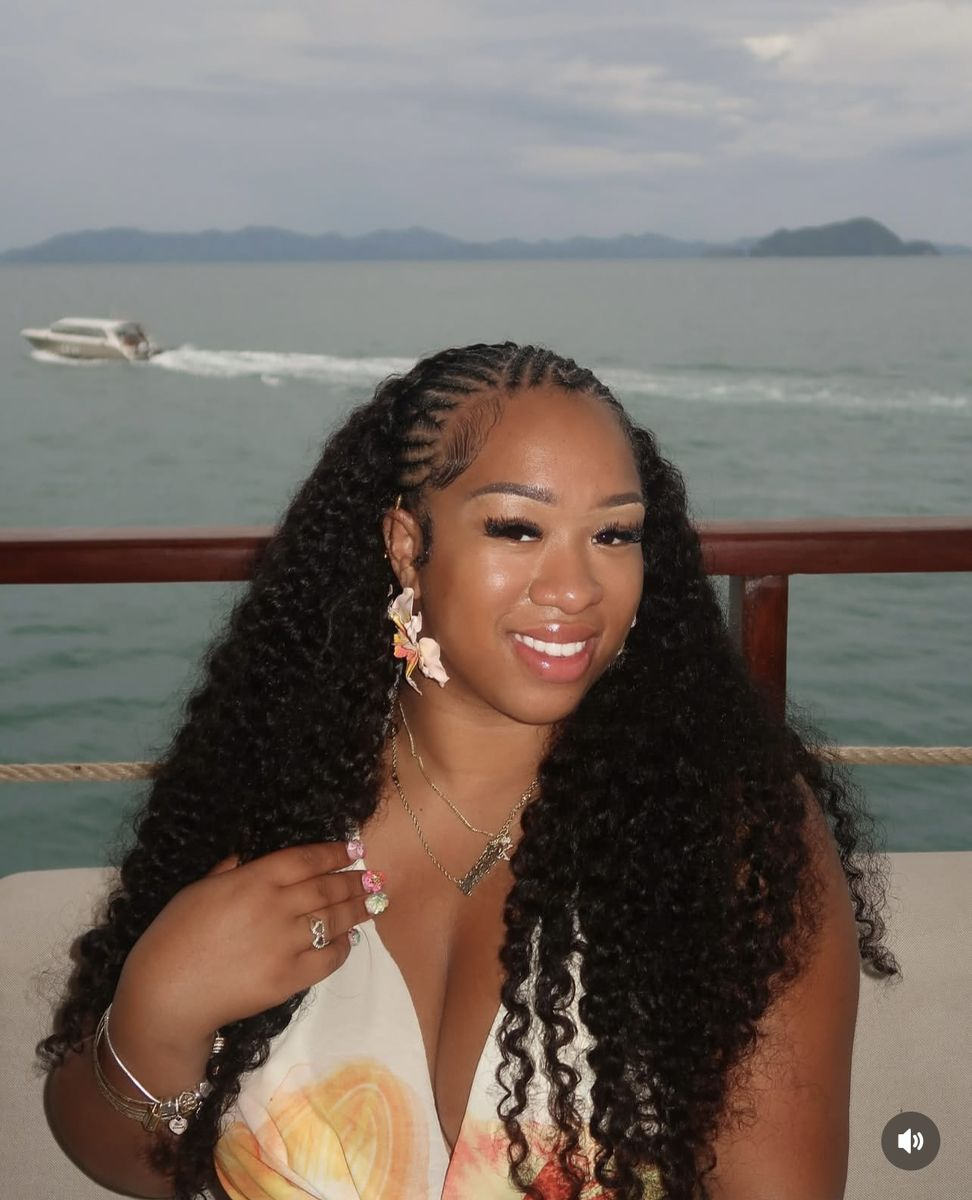
Look, I’m not going to sit here and tell you a sew in is completely effortless. It requires a specific kind of care, and skipping steps can end badly for your scalp.
1. The "Never Sleep on Wet Hair" Law
This is non-negotiable. If you wash your hair, you must make sure the braids underneath the tracks are 100% dry. Leaving your braided roots damp creates a breeding ground for mildew and scalp irritation (and an awful smell). Sit under a hooded dryer or spend the extra 20 minutes aiming your blow dryer directly at your scalp on a cool setting.
2. Strategic Washing
You don't need to—and shouldn't—wash this hair every day. Once every week or a week and a half is the sweet spot. Dilute a sulfate free shampoo with a bit of water, use your fingers to gently clean between the tracks, and always rinse with the water flowing down, never bunching the hair up.
3. The Bonnet is Your Best Friend
Friction is the ultimate enemy. Before your head hits the pillow, put your extensions into a loose braid or a high "pineapple" ponytail and wrap it in a silk or satin bonnet. It keeps the hair from matting and prevents your natural edges from snapping.
What’s the Damage? (Time and Money)
A good sew in is an investment, both in your schedule and your wallet.
- In the Chair: Expect to sit there for 2 to 4 hours. Bring a snack, charge your phone, and get comfortable.
- The Investment: You truly get what you pay for. Cheap, synthetic hair will matte within two weeks. High quality Virgin or Remy human hair can cost everywhere from $200 to $600+, but the beauty is you can reuse that hair for multiple installs. The actual installation by a professional stylist usually runs between $150 and $400.
The Final Verdict
Where your natural hair is very fine, delicate, or prone to thinning, then the pressure from the sew-in may be too tight for your scalp. In such instances, it may be prudent to consider alternative such as beaded rows.
However, should your hair be in good condition and you lead a busy life style and you want a dramatic, gorgeous change that lets you wake up looking completely put together every single morning—the sew in is still the gold standard. Just make sure you find a stylist who prioritizes your hair health over just "making it tight," and you'll love the results.