
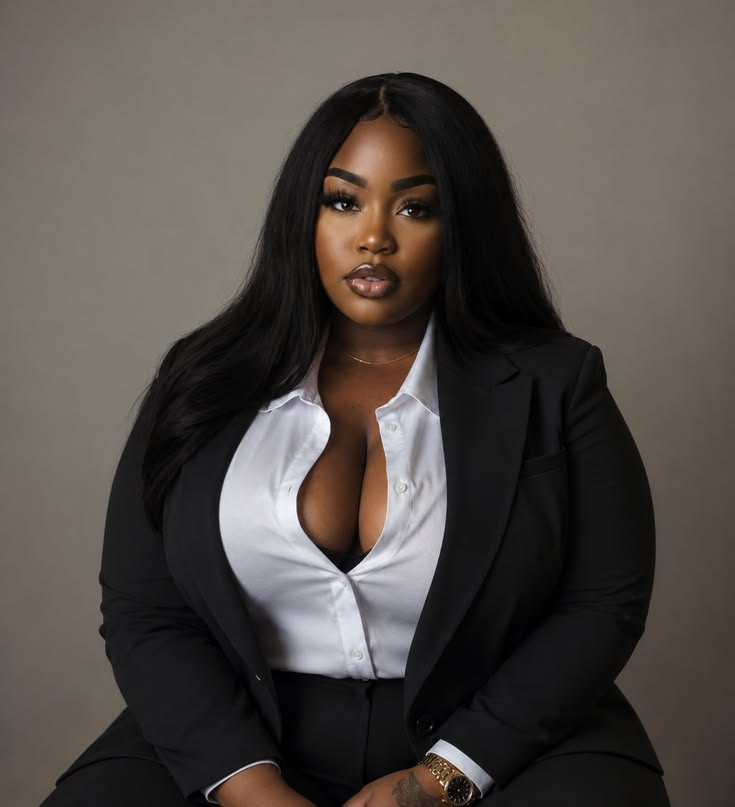
For one thing, let’s just say it like it is: The connection between ourselves and hair extensions within our culture is a strong one. It isn’t just about waking up with 26 inches of effortless waves (because that feels pretty amazing). It’s about being able to switch up our look, about being able to wake up and be immediately ready for the day, but more than anything else, about giving our natural coils a rest.
The unfortunate truth that many seem to overlook is that extensions are temporary and that if one doesn’t take precaution, something intended to be protecting your hair can end up harming it and even causing scalp emergencies.If you want to rock your installs and actually have more healthy hair when you take them out, let’s talk about how to do it right.
The Big Shift: Matching Your Real Vibe

For a long time, the unwritten rule of the beauty supply store was that extensions had to be silky, bone-straight, and completely different from what grew out of our heads. Thankfully, things have changed. The industry has finally realized that Type 4 hair is gorgeous, and texturized black hair extensions are having a massive moment.
If you hate the pressure of constantly flat-ironing your natural hair just to make it blend, you need to look into texture tiers:
- Kinky Coily (4B/4C): These are perfect if you love the look of a massive, glorious afro or tight twist-outs. They mimic your natural shrinkage, meaning zero heat is required to blend.
- Kinky Straight: This is the holy grail for a low-maintenance look. It looks exactly like natural hair that has been blown out. It has weight, texture, and movement without that fake, plastic shine.
- Deep Wave: Great for vacation hair or a "wet-and-go" look that keeps a realistic, thick density at the roots.
What Everyone is Actually Google-Searching (The Real Questions)
When we get on search engines or look up advice, we aren't usually asking "how to look pretty." We’re asking how to fix the problems that extensions cause. Here is what the collective community is trying to figure out right now:
"Why does my head itch so bad two days after getting braids?"
If you've ever found yourself aggressively patting your head to stop an invisible itch, you aren't alone. Synthetic hair is often sprayed with an alkaline coating to prevent mold while it sits in warehouses. For many of us, this triggers a mild allergic reaction.
The Fix: Before your stylist touches your head, soak your synthetic hair in a basin of warm water and a cup of apple cider vinegar for 15 minutes. You’ll literally see a white film lift off the hair. Rinse it, let it air dry, and say goodbye to the scratchy scalp.
"How do I save my edges if I wear wigs every day?"
A lot of people think wigs are completely safe because they aren't sewn down. But if you are using heavy lace glues every single morning, you’re slowly pulling out your hairline. The best move is to transition to glueless units or V-part wigs that use clips placed far back from your fragile "baby hairs."
Choosing Your Method: The Honest Breakdown
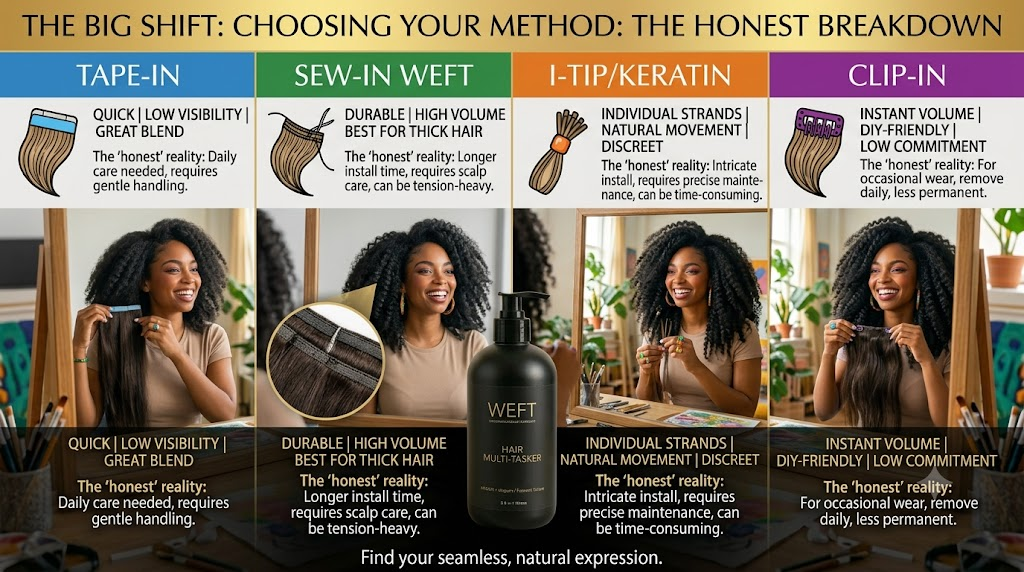
Not every extension method works for every hair type. Before you drop hundreds of dollars on a style, look at the reality of the upkeep:
MethodThe RealityTension LevelWho It’s Actually For
Tape-Ins Extremely flat, but your natural hair is exposed to the elements. Medium People with relaxed or highly heat-trained hair.
Microlinks Incredible versatility (you can put it in a high pony), but requires a lot of blending. High Those with thick, resilient strands who don't mind high maintenance.
Crochet Braids The ultimate DIY savior. Super fast to install and very affordable. Low Active people, gym-goers, and anyone on a budget.
Glueless Wigs Complete protection. You can take it off at night and actually scratch your head. Very Low Beginners or anyone recovering from hair damage.
Frequently Asked Questions

Can I actually wash my hair while wearing a sew-in?
You absolutely have to. Leaving a sew in hair extensions on your head for two months without washing it creates a breeding ground for bacteria, sweat, and dead skin. Use a shampoo bottle with a nozzle tip to get the soap directly onto your scalp between the tracks.
Crucial Step: You must sit under a hooded dryer until you are 100% sure your natural braids underneath are dry. If they stay damp, your hair can literally develop a musty, mildew smell that is incredibly hard to get out.
What is the difference between "Virgin" and "Remy" hair?
Think of Virgin hair as completely untouched—it has never been chemically processed, bleached, or dyed. Remy hair means the cuticles are all facing the same direction (from root to tip). This is important because if the cuticles are mixed up, the hair will rub against itself and turn into a matted, tangled nest after your first wash.
How long do I need to wait between installs?
Give your scalp some breathing room! Live by the Two-Week Rule. If you just took out a protective style that you wore for eight weeks, do not go back into the salon chair the next day. Give your hair at least 14 days to rest, deep condition it, let your follicles breathe, and wear your natural hair in a loose bun or puff.
The Takeaway

At the end of the day, hair extensions should be fun. They should never be a burden and certainly shouldn’t be giving you pain or even hair loss! By picking out products that work well with your natural hair, maintaining a clean scalp, and learning when to give your scalp a rest, you can enjoy the best of both worlds by having gorgeous hairstyles now, but healthy coils in the future.