

Let’s be real for a minute: the internet is flooded with copy-paste advice about hair extensions. Weft extensions have quietly become the worst-kept secret of the beauty industry. Instead of individual strands glued or taped throughout your head, a weft is essentially a curtain of hair sewn onto a ultra-thin horizontal strip.
You’ve probably read the same generic pitch a hundred times—“Add length! Get volume! Boost your confidence!” But if you're seriously considering weft hair extensions, you aren't just looking for longer hair. You want a seamless, high-impact upgrade that won't leave your scalp throbbing, wreck your natural strands, or force you into a three-hour salon marathon every few weeks.
Weft extensions have quietly become the holy grail of the beauty world, but there is a big difference between just slapping a track on your head and actually making it work for your everyday life.
Here is the unfiltered truth about what wefts actually are, how to choose the right style, and what nobody tells you about living with them.
The Secret Architecture of a Perfect Blend
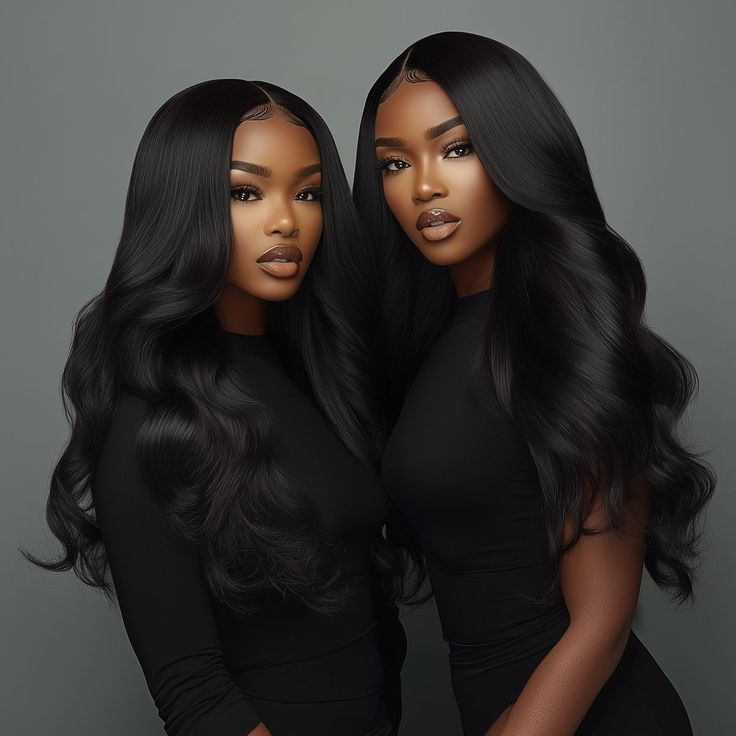
The biggest mistake people make with wefts is treating them like a "one-size-fits-all" solution. A weft is essentially a curtain of hair sewn onto a thin, horizontal strip. Instead of individual strands glued or taped all over your head, you get a continuous row of density.
However, the magic—and the comfort—comes entirely down to how that top seam is engineered:
- Machine-Made Wefts (The Heavy Hitters): These are spun by machines, producing a sturdier, slightly thicker seam. If you have coarse, thick, or heavy hair, these are your best friend. They can hold serious volume and can be cut anywhere along the track without shedding a single strand.
- Hand-Tied Wefts (The Invisible Illusionists): Delicate and hand-woven, these boast a seam so thin it’s practically microscopic. They sit completely flush against your scalp, making them the ultimate pick for fine or thinning hair. The major catch? You can never cut a hand-tied track, or the whole thing unravels.
- Genius Wefts (The Modern Sweet Spot): The newest favorite in salon chairs. Genius wefts give you the lay-flat invisibility of a hand-tied track, but with the durability of a machine weft—meaning your stylist can custom-cut them to fit the exact contours of your head.
Why They Don't Wreck Your Natural Hair
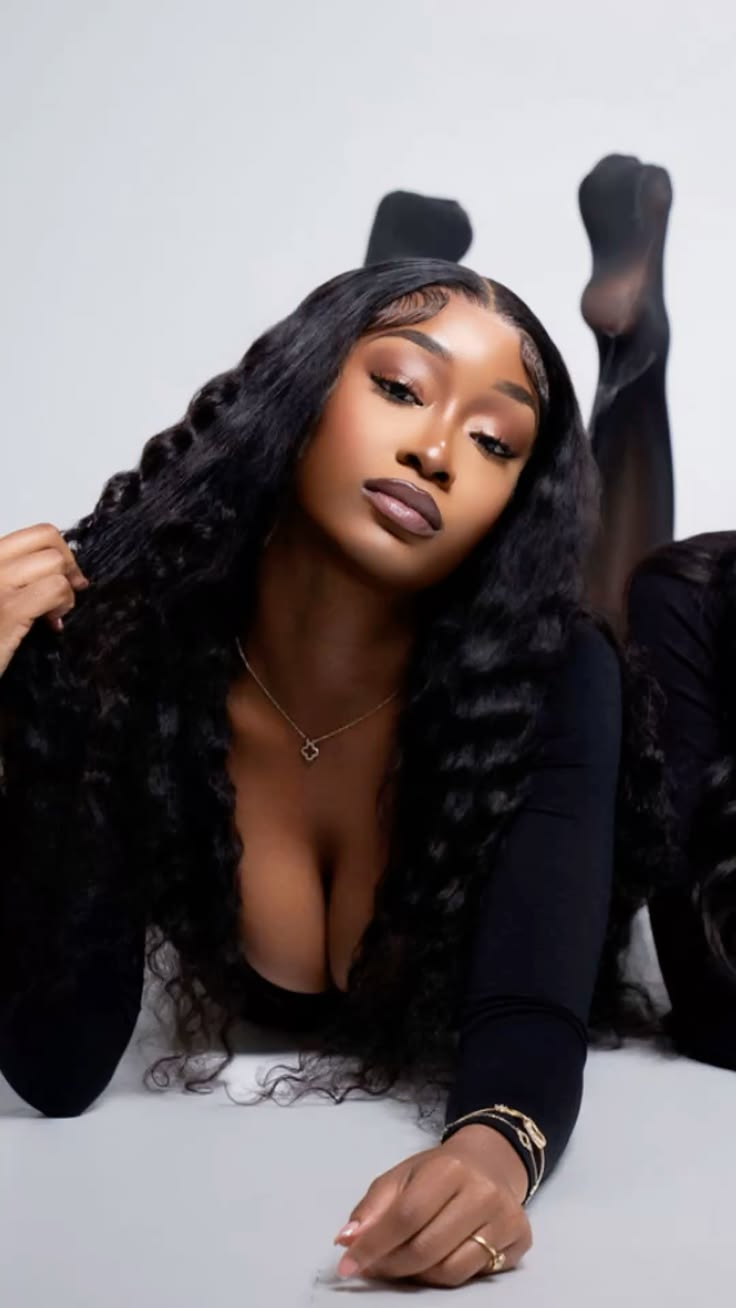
If you’ve heard horror stories about hair extensions causing hair loss, it usually comes down to weight distribution. Methods like individual keratin bonds or tape-ins place all the tension on tiny, isolated clusters of your natural hair.
Weft methods (like beaded rows or sew in hair extensions) work like a suspension bridge. By building a continuous foundation across your head, the weight of the extra hair is distributed evenly across a secure track. It’s the difference between carry a heavy backpack across both shoulders versus hanging a 10-pound bag off a single finger.
The Raw Truth: FAQ
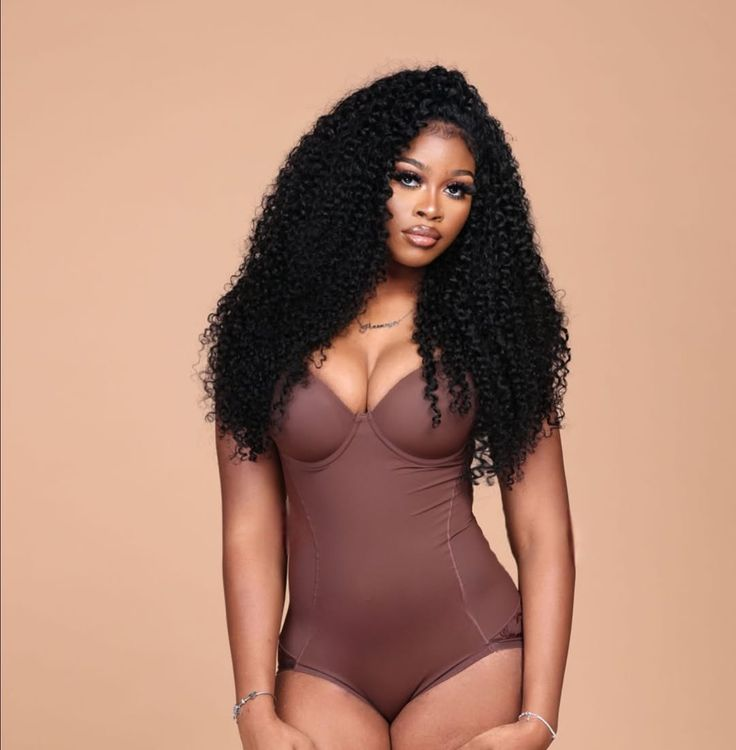
Q: Be honest—can you actually feel them when you lie down?
A: For the first two or three days? Yes. Your The scalp takes time to acclimatize to the added weight, and the beads act as anchor points. The pain is no longer sharp; instead, it's more of a tight ponytail feeling one experiences after a busy day. By the fourth day, the pain subsides, and you forget about the beads altogether.
Q: What’s the biggest daily habit change I'll need to make?
A: The golden rule: never sleep on wet hair. Ever. If moisture stays trapped inside the track seam overnight, it can cause severe matting, tangling, and even scalp irritation. You have to commit to fully blow-drying the roots and seams after every wash.
Q: How do I avoid that awkward "double hair" look where my real hair ends?
A: That comes down to your stylist's cutting technique, not the extension hair itself. A top-tier specialist will never leave your extensions hanging at a blunt length. They will slide-cut, texturize, and feather your natural ends into the weft so the transition vanishes—even when the wind blows.
Q: Can I toss my hair into a high ponytail on day one?
A: Hold off on the ultra-high pony for the first week. You want to give the tracks a few days to loosen slightly from the scalp. Yanking them straight up into a tight updo immediately after installation puts unnecessary strain on your follicles. Give it a week, and then go wild.
Q: Why do extensions dry out faster than my real hair?
A: Remember, extension hair isn't connected to your scalp, so it receives zero natural oils. To keep them silky, you need to treat them to extra hydration. A daily light hair oil on the mid-lengths and ends, along with a deep conditioning mask once a week, will keep them feeling fresh for months.
SUMMER SALE Save up to 30%
Nothing completes a summer look like flawless hair. Treat yourself to premium virgin hair with 20% off across our collections. Insider Members enjoy an exclusive 30% off