
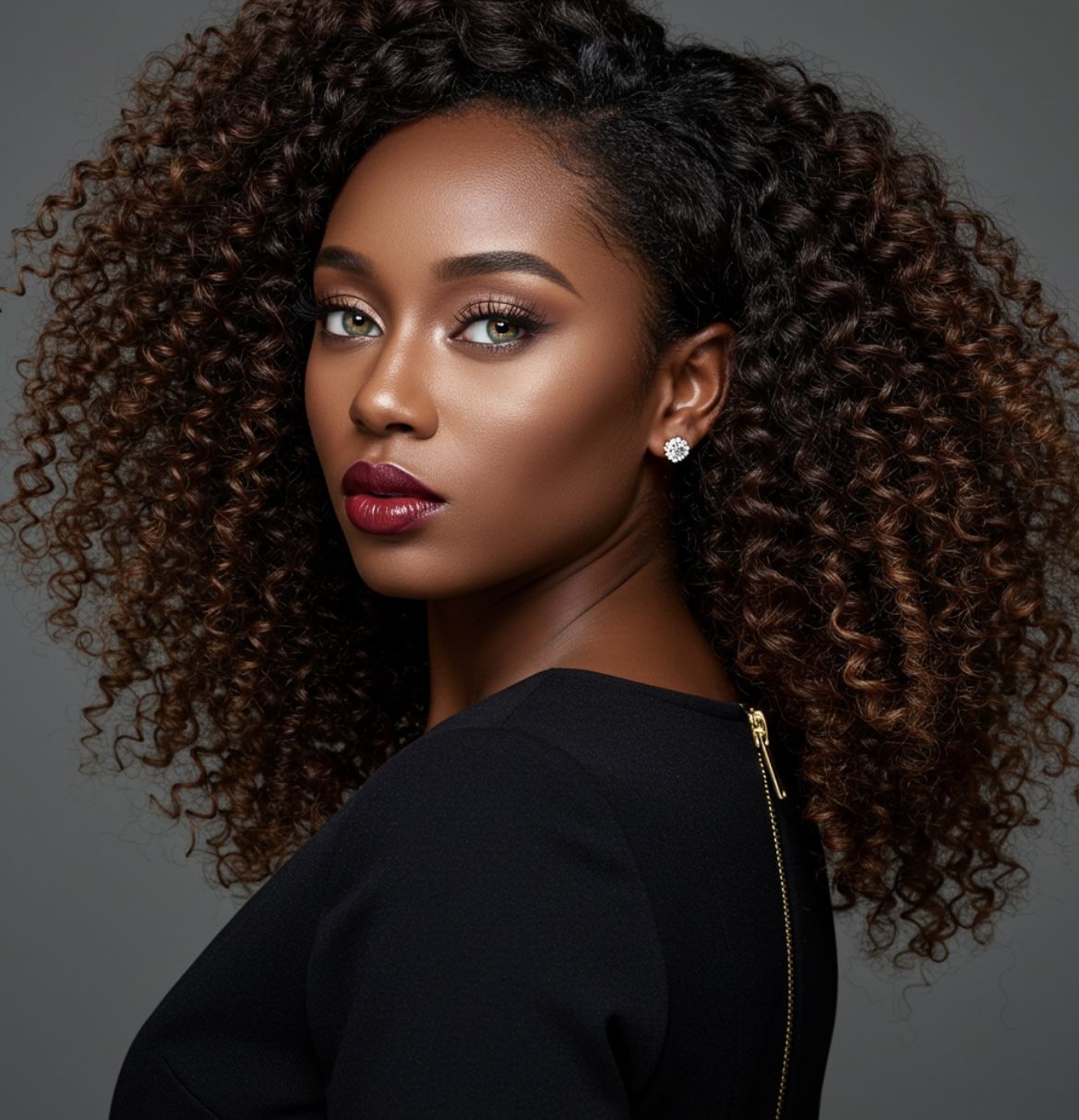
There is an incredible moment when you wash your hair, look in the mirror, and see thousands of tiny, tight zigzags bouncing back at you. If your strands form sharp, right-angle "Z" shapes rather than soft "S" spirals, welcome to the 4B club.
For a long time, standard hair advice tried to force 4B hair into boxes it simply didn't belong in. We were supposed to soften it, flatten it, or at least give it that more relaxed look. But here is what the real deal is: 4B hair isn’t “unruly”—it is structured, architectural, and highly versatile. It is as soft as a cloud, styles well, and flows in amazing fluff and flair.
That said, keeping those delicate zigzags soft and happy requires a bit of love, a lot of water, and a shift in mindset. Let's break down what actually works for 4B hair.
Understanding the "Z" Geometry
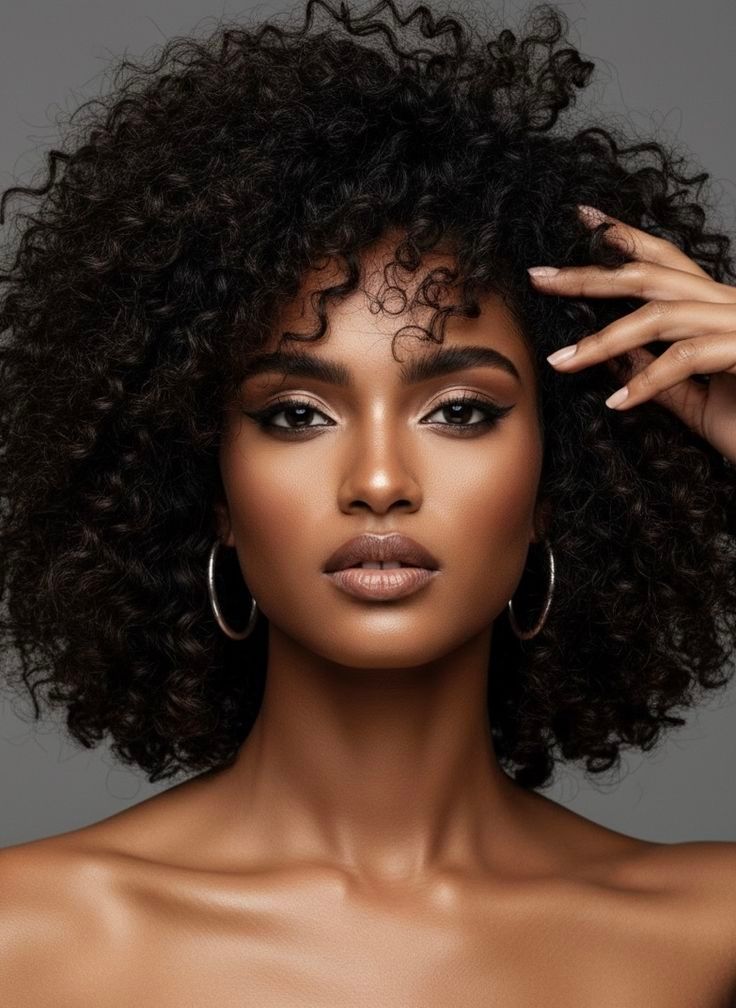
Why does 4B hair act the way it does? It all comes down to the angle of the strand.
Because 4B hair bends at sharp angles rather than curving smoothly, every single bend creates a point of stress along the hair shaft. These bends also make it nearly impossible for the natural oils your scalp produces to slide down to your ends. That means two things:
Your hair isn't naturally "dry"—it just struggles to transport oil.
Your ends are extremely fragile and need gentle handling.
Then there’s the famous shrinkage factor. 4B hair can easily shrink up to 70% or more when exposed to moisture. In spite of its tendency to frustrate when you're trying to grow it out, shrinkage is actually an indication of very healthy, elastic hair. Revel in the spring!
Modern Haircare Regimen: Reduce Friction, Increase Hydration
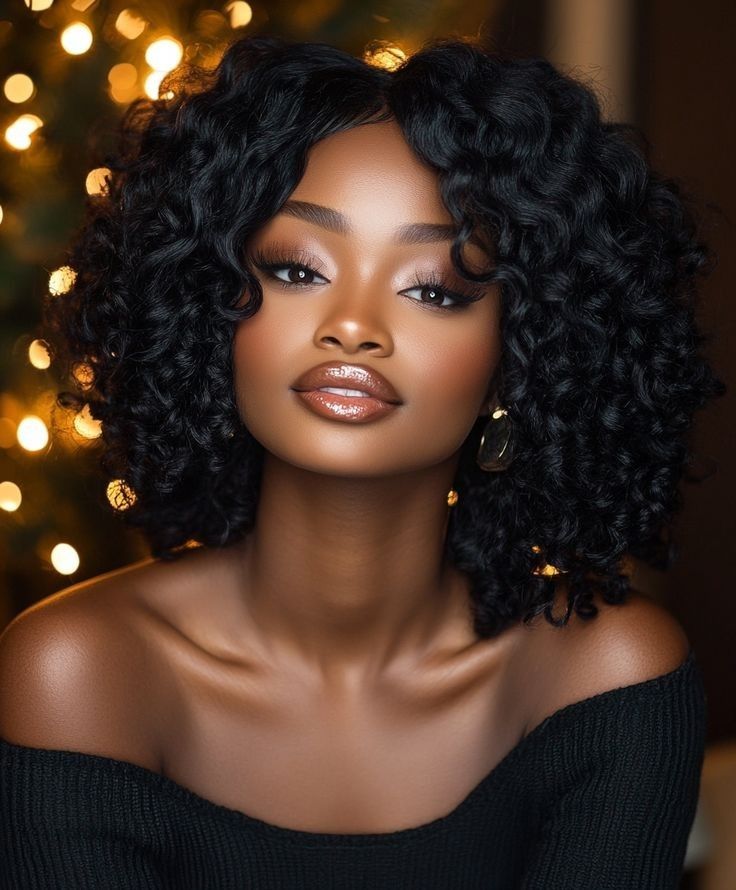
Caring for 4B hair should not be an exercise in itself. The objective should be to reduce unnecessary contact while retaining as much moisture as possible.
1. Ditch the Dry Detangling
Loosening 4B wet hair leads to the inevitable crackle-and-pop breakage. Make sure that you section your hair, detangling only after you have made sure your hair is drenched in water and heavily conditioned. Use your hands to find any tangles, and then proceed to use a wide-tooth comb or detangling brush.
2. Master the Hydration Layering
Now, applying light lotion to completely dry 4B hair will mean that after two hours your hair will still feel dry. Try LCO method (liquid, cream, oil):
Liquid: Fresh water through spray bottle or light water based leave-in.
Cream: Moisturizing cream or leave-in butter which gives weight and moisture.
Oil: Light natural oil like jojoba or avocado which you can apply on top to lock in moisture.
3. Protect Your Ends Night and Day
The silent enemy of retaining length is friction. During your sleep, your pillowcases made of cotton act as sponges, taking all the moisture from your hair and rubbing against it. A good quality silk or satin bonnet (or pillowcases) will retain all that moisture in your strands. During the day, embrace low-manipulation styles. Two-strand twists, flat twists, crown braids, weave hair and bantu knots keep your fragile ends tucked away so your hair can actually grow without snapping off at the ends.
Quick FAQs for the 4B Community

Why does my 4B hair feel dry even after I moisturize it?
You might be applying product to dry or damp hair without enough water. 4B hair needs water to be hydrated; oils and creams only seal water in. Try applying your leave-in conditioner to dripping wet hair right out of the shower, or check if your hair has high porosity (which lets moisture escape too quickly) and needs heavier, sealing butter.
How do I get actual curl definition with 4B hair?
Since type 4B hair has a zigzag structure and not a spiral one, there will be times when the "wash and go" hairstyles may resemble a fluffy cloud (which is beautiful too). In order to have defined curls, it is best to do a twist-out or braid-out while your hair is wet with the use of a setting mousse or curling cream.
How often should I wash 4B hair without stripping it?
Every 7 to 10 days is usually the sweet spot. Washing too often strips the scalp of its natural oils, but waiting too long leads to product buildup, which actually stops water from penetrating your hair.
Is heat completely off the table for 4B hair?
Not at all, but moderation and heat protection are non-negotiable. Always blow-dry on warm (not hot) using a tension method or paddle brush, and use a silicone-based heat protectant if you plan to flat iron. To stretch your hair without heat, try heatless techniques like banding, African threading, or simple overnight braids.
Would you like me to map out a personalized weekly routine based on whether your hair is high or low porosity?